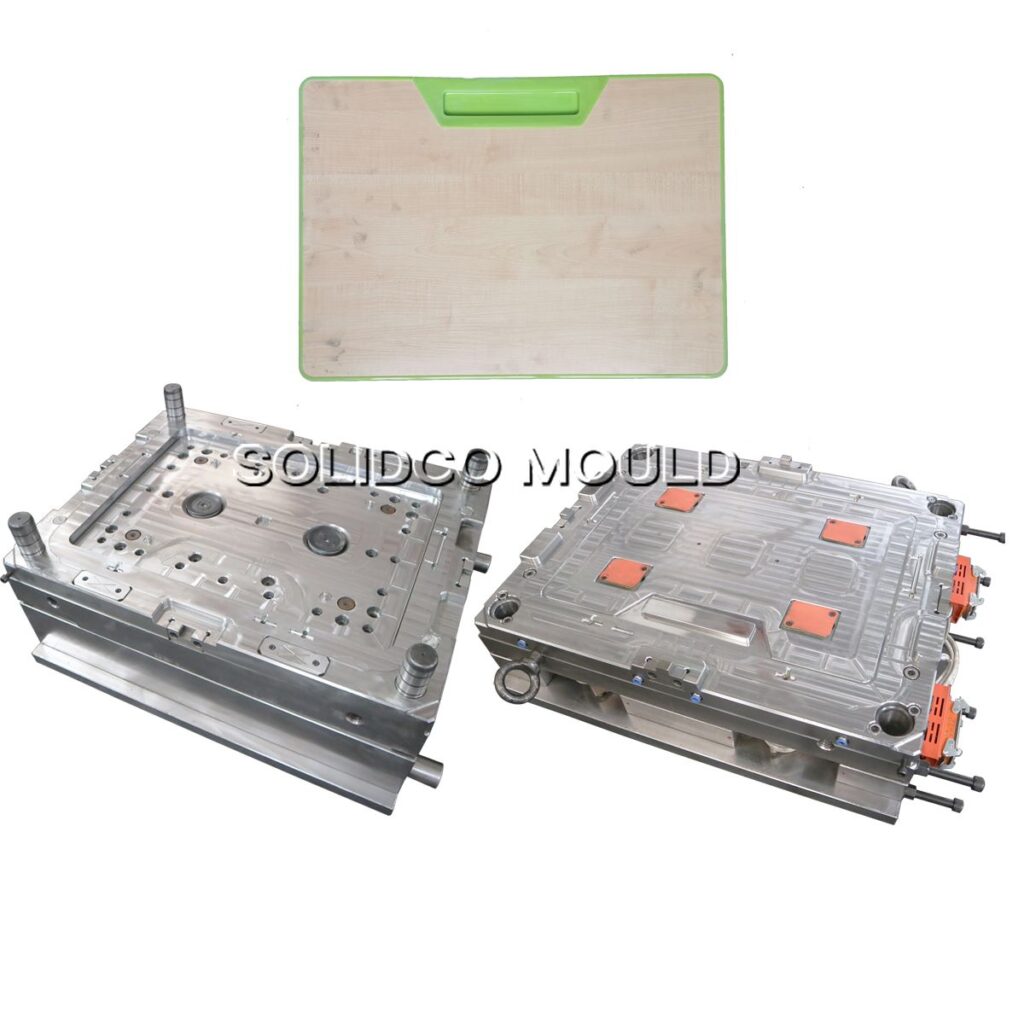
Points to Consider When Designing Plastic Products. The ultimate quality and production efficiency of plastic products are inextricably linked to various factors, including product design, mold design, auxiliary equipment, raw materials, injection molding machines, and the injection molding process itself. In terms of the degree of influence, product design accounts for approximately 40%, mold design and processing for another 40%, while raw materials, the injection molding machine, and the process account for the remaining 20%. Production efficiency is determined by output requirements; if a product requires a high production volume or is slated for long-term manufacturing, it becomes essential to carefully consider the ease of production and the potential production speed. Beyond considerations of aesthetics and functional structure, product design must also anticipate and mitigate potential processing-related defects, given that these factors exert a 40% influence on the final product quality. Since product designers typically lack expertise in mold design and injection molding, it is imperative to establish a planning team—comprising senior mold designers and injection molding specialists—to conduct a collaborative review.https://solidcomould.com/product-category/injection-mould/gardening-product-mold-2/
Key considerations during the product design phase include: 1. Assembly, transportation, and the operating environment (temperature, humidity, light exposure resistance, load-bearing capacity, etc.), as well as functionality and service life. 2. The performance characteristics and material properties of components intended for assembly with the product. 3. Critical specifications regarding shape, dimensional accuracy, acceptable limits for sink marks and deformation, weld lines, surface gloss, general aesthetics, and variations in wall thickness. 4. Requirements for painting, printinhttps://solidcomould.com/product-category/injection-mould/office-furniture-mould/g, assembly, insert molding, projected production volume, and the required number of mold cavities. 5. Estimated molding cycle time, injection molding machine capacity parameters, and similar technical specifications. Mold Design and Processing (General): 1. Estimated process parameters: temperature, pressure, time, and molding cycle time for each component. 2. Filling, holding pressure, and cooling times. 3. Determination of shrinkage rate; nozzle diameter, length, and radius. 4. Runner type (including hot runners), cross-sectional shape, dimensions, and branching configuration. 5. Runner length, branching layout, pressure loss, temperature, viscosity, and flow velocity. 6. Gate type and vent placement. 7. Mold temperature, cooling medium, and mold pressure resistance strength. Mold Design and Processing (Cooling): 1. Calculation of cooling channel parameters: medium temperature, flow rate, pressure, and heat transfer coefficient. 2. Configuration, positioning, and shape of cooling channels; localized cooling strategies. 3. Calculation of cooling time. Mold Design and Processing (Ejection and Extraction): 1. Ejector pins: diameter, quantity, and position; ejector sleeves and plates. 2. Mold materials; specialized materials for specific areas; special machining requirements; sliders. 3. Parting line; insert types; undercut release mechanisms (e.g., lifters/cams). 4. Auxiliary equipment: part removal robots, dedicated storage bins, straightening fixtures, and specialized jigs. 5. Robot grippers/fixtures; inspection fixtures and gauges. 6. Prediction of potential issues and development of countermeasures. (Note: It is recommended to tabulate the above points individually, execute them according to a plan, and validate them—ideally through mold flow analysis.) Areas to Avoid in Product Design: 1. Avoid excessive variation in wall thickness; extreme differences can lead to surface defects, warpage, and incomplete filling. 2. Avoid sharp transitions at points where wall thickness changes. 3. Ensure proper ratios between the cross-section and length of reinforcing ribs, as this affects shrinkage and filling behavior. 4. Use rounded transitions (fillets) at corners and bends. 5. Ensure bosses for threaded connections have appropriate core-outs and sufficient depth to prevent shrinkage-induced deformation.
References: 1. Filling Time: Determine the appropriate filling time based on wall thickness, flow length-to-thickness ratio, and material type, utilizing data obtained from mold flow analysis. 2. Fill Time (seconds) for Thin-Walled Products = (Wall Thickness in mm)² × Fill Coefficient. The fill coefficient is dependent on material viscosity, flowability, mold temperature, and melt temperature; typically, the fill coefficient for thin-walled parts ranges between 0.8 and 1.2. 3. Holding Time (seconds) = (Wall Thickness in mm)² × Holding Coefficient. Holding Pressure: Generally, the holding pressure is approximately 1.2 to 1.4 times the in-mold pressure. 4. Cooling Time (seconds) = (Wall Thickness in mm)² × Cooling Coefficient. The parameters listed above are not fixed values; they vary depending on the specific mold temperature and melt temperature.