
Selecting the right plastic injection molding materials is one of the most critical decisions in custom plastic part manufacturing. The resin you select directly affects part mechanical strength, long-term durability, surface finish, tooling complexity, and overall production costs.
In this comprehensive guide, the engineering team at SOLIDCO MOULD breaks down the primary categories of plastic injection molding materials, key selection factors, and common material mistakes to avoid during product design.
Common Categories of Plastic Injection Molding Materials
Plastic resins are generally divided into three main categories based on performance, thermal properties, and cost: Commodity Plastics, Engineering Plastics, and Specialty High-Performance Plastics.
1. Commodity Plastics (Cost-Effective & Versatile)
Commodity plastics are cost-effective and widely used for high-volume consumer products and structural components.
- PP (Polypropylene): Offers high chemical resistance, excellent fatigue resistance, and high flexibility. Ideal for living hinges, packaging crates, automotive interior trim, and household items.
- ABS (Acrylonitrile Butadiene Styrene): Known for its exceptional impact resistance, dimensional stability, and ease of post-processing. Great for electronic housings, power tool cases, and home appliance parts.
- PE (Polyethylene): Flexible, tough, and highly moisture-resistant. Widely used for flexible lids, containers, and protective packaging components.
2. Engineering Plastics (High Strength & Durability)
Engineering resins provide superior mechanical strength, heat resistance, and wear resistance compared to commodity plastics.
- PA6 / PA66 (Nylon): Features high tensile strength, outstanding wear resistance, and self-lubricating properties. Perfect for mechanical gears, bushings, bearings, and under-the-hood automotive parts.
- PC (Polycarbonate): Delivers superior impact strength, optical transparency, and dimensional stability over a wide temperature range. Frequently used for clear protective covers, medical housings, and safety equipment.
- POM (Acetal): Known for high stiffness, low friction, and exceptional dimensional stability. Ideal for precision gears, sliding mechanisms, and snap-fit assemblies.
3. Specialty Plastics (Extreme Environments)
Specialty polymers are engineered for demanding industrial, medical, and aerospace applications that demand extreme performance.
- PEEK (Polyether Ether Ketone): Offers outstanding high-temperature performance, continuous thermal stability, and extreme chemical resistance. Used in medical implants, aerospace components, and oilfield equipment.
- PSU (Polysulfone): Features excellent hot-water resistance, high dielectric strength, and biocompatibility. Suitable for medical devices, food-grade equipment, and specialized electronics.
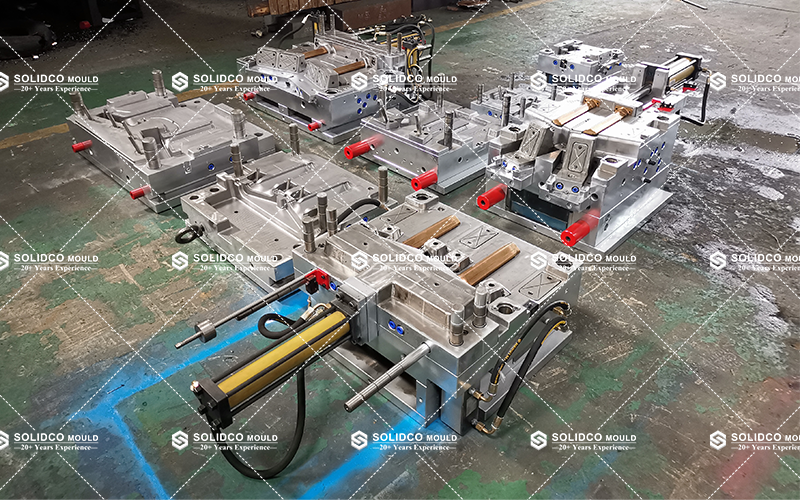
5 Key Factors for Selecting Plastic Injection Molding Materials
To select the optimal resin for your project, our material engineers recommend evaluating the following five criteria before finalizing your tooling design:
- Working Environment: Evaluate operating temperature ranges, continuous UV exposure, chemical contact, and ambient moisture levels.
- Mechanical Requirements: Define required tensile strength, impact resistance, flexibility, load-bearing demands, and wear resistance.
- Appearance Needs: Determine expectations for color clarity, surface texture (VDI / Mold-Tech standards), transparency, and gloss finish.
- Project Budget: Balance material performance against your target cost per unit. Avoid over-specifying high-cost specialty plastics when standard engineering resins meet functional specs.
- Regulatory Compliance: Verify required industry certifications such as RoHS, REACH, FDA, UL94 flame retardancy, or ISO 10993 medical standards.
Common Material Selection Mistakes to Avoid
Even experienced engineering teams can encounter material pitfalls that increase manufacturing costs or lead to part failure:
- Over-Specifying Resins: Selecting expensive specialty polymers when standard ABS or PP fulfills all mechanical requirements.
- Ignoring Material Shrinkage: Different plastic injection molding materials shrink at different rates during cooling. Tool designers must accurately compensate for volumetric shrinkage during mold development.
- Overlooking Processing Parameters: High-temperature materials require specialized injection parameters, higher mold temperatures, and specialized tool steels, directly impacting cycle times and defect rates.
Conclusion & Custom Engineering Support
Selecting the right plastic injection molding materials lays a solid foundation for your product’s manufacturing success. At SOLIDCO MOULD, we support over 70 metal and plastic material options. Our experienced engineering team provides detailed DFM analysis and material consultation, and our 3D printing and rapid prototyping services allow you to test physical parts before committing to full-scale production molds.
Contact SOLIDCO MOULD today to get expert material recommendations and a custom quote for your upcoming injection molding project:
- 💬WhatsApp / Phone: +86-13386587702


